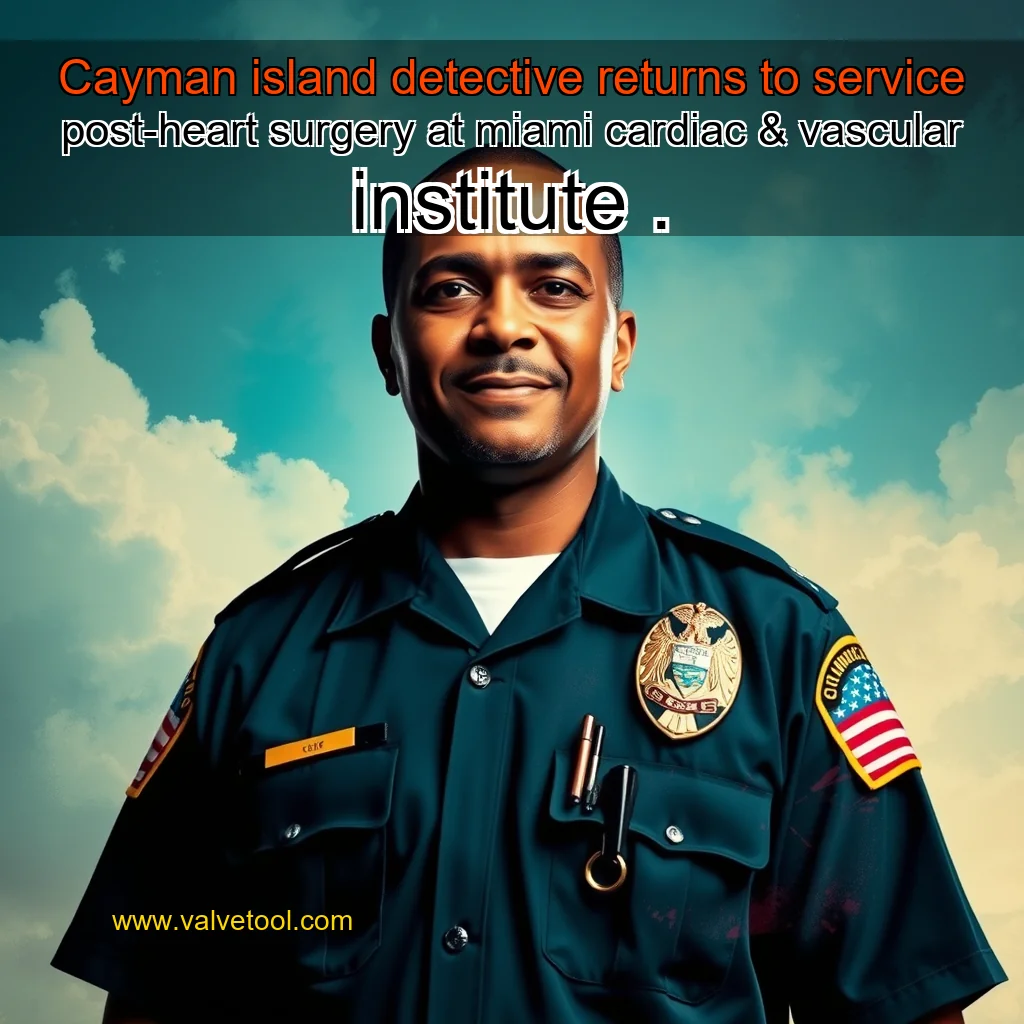
He was diagnosed with a rare form of cancer, and his health began to deteriorate rapidly. Despite his health issues, he continued to work diligently, and his dedication to his job was unwavering.
The Challenges of Leading a Team During Illness
Leading a team while dealing with personal health issues can be a daunting task. As a Detective Superintendent, Peter Lansdown faced numerous challenges in managing his team and solving crimes. His health issues forced him to re-evaluate his priorities and make difficult decisions about his workload. The physical demands of the job took a toll on Lansdown’s health, exacerbating his cancer diagnosis. He had to balance his work schedule with his medical treatment, which was a significant challenge.
The procedure was a success, and Peter was able to return to his normal activities within a week.
The Importance of Minimally Invasive Surgery
Minimally invasive surgery has revolutionized the way medical procedures are performed. This approach has numerous benefits, including reduced recovery time, less pain, and lower risk of complications. In the case of Peter Lansdown, the minimally invasive aortic valve replacement surgery allowed him to recover quickly and return to his normal activities within a week. Key benefits of minimally invasive surgery: + Reduced recovery time + Less pain + Lower risk of complications + Smaller incision + Less tissue damage
The Surgeon’s Expertise
Tom C. Nguyen, M.D., FACS, FACC, is a highly experienced and skilled surgeon with a proven track record of success. His expertise in cardiac surgery is unmatched, and he has performed numerous complex procedures with precision and care. Dr.
He had to take a week off from work after the procedure to recover.
The Procedure
The aortic stenosis procedure, also known as aortic valve replacement, is a surgical operation that involves replacing the aortic valve with a prosthetic one. This procedure is usually performed to alleviate symptoms of aortic stenosis, such as chest pain, shortness of breath, and fatigue.
The Risks of Atrial Fibrillation
Atrial fibrillation, also known as AFib, is a type of irregular heartbeat that can be life-threatening if left untreated. The condition significantly raises the risk of sudden death from either a stroke or heart attack. In fact, studies have shown that people with AFib are 4-5 times more likely to experience a stroke than those without the condition.
Understanding the Risks
The Importance of Early Detection
Early detection and treatment of AFib are crucial in reducing the risk of stroke and heart attack.
Types of Heart Valve Replacements
Open-Heart Procedure
The open-heart procedure is the most common method of heart valve replacement. This method involves surgically opening the chest to access the heart. The surgeon then replaces the faulty valve with a prosthetic one, usually made of titanium or polyester. The procedure typically takes several hours to complete. The open-heart procedure is usually performed under general anesthesia, which ensures the patient is completely unconscious during the surgery. The surgeon makes a horizontal incision in the chest, usually around 6-8 inches long, to access the heart. The sternum is then cut through, and the chest is opened to expose the heart. The faulty valve is removed, and the prosthetic valve is implanted in its place. The surgeon then closes the chest and sews the incision shut.
Minimally Invasive Procedure
The minimally invasive procedure is a less common method of heart valve replacement. This method involves making a small incision in the chest, usually around 1-2 inches long, to access the heart. The minimally invasive procedure is usually performed under local anesthesia, which numbs the area around the incision. The surgeon makes a small incision in the chest, usually in the center of the breastbone.
Irregular heartbeat disrupts daily life, causing shortness of breath and fatigue.
He experienced shortness of breath during physical activity, which was previously manageable. The symptoms worsened to the point where he could no longer perform daily tasks without feeling winded. AFib was diagnosed in 2015, and treatment began shortly after.
The Early Stages of AFib
AFib, or atrial fibrillation, is a type of irregular heartbeat that affects millions of people worldwide. It occurs when the upper chambers of the heart, the atria, beat irregularly and rapidly, rather than beating in a coordinated and regular manner. This irregular heartbeat can lead to a range of symptoms, including palpitations, shortness of breath, and fatigue. Key symptoms of AFib include: + Palpitations or irregular heartbeats + Shortness of breath + Fatigue + Dizziness or lightheadedness + Chest pain or discomfort
The Impact of AFib on Daily Life
AFib can significantly impact daily life, making it difficult for individuals to perform everyday tasks without feeling winded or experiencing shortness of breath. The condition can also lead to feelings of anxiety and stress, as individuals may worry about the potential risks associated with AFib, such as stroke or heart failure.
The Complexity of Aortic Valve Stenosis
Aortic valve stenosis is a complex condition that affects the aortic valve, which regulates blood flow from the heart to the rest of the body. The aortic valve is a small, three-part valve located between the left ventricle and the aorta, the largest artery in the body. When the valve becomes narrowed, it restricts blood flow, leading to various complications.
Symptoms and Diagnosis
The symptoms of aortic valve stenosis can vary depending on the severity of the condition. Mild cases may not produce noticeable symptoms, while more severe cases can cause:
Diagnosing aortic valve stenosis typically involves a combination of physical examination, imaging tests, and echocardiogram. A doctor may use a stethoscope to listen to the heart sounds and check for any abnormalities.
Dr. Nguyen explained that the damaged valve was causing his symptoms, such as shortness of heart, fatigue, and shortness of breath. She also explained that the damaged valve was not causing any immediate danger to his life, but it was affecting his quality of life.
Understanding the Diagnosis
Dr. Nguyen explained that the damaged aortic valve was not a typical case of aortic stenosis, which is a narrowing of the valve opening.
“It was a very traumatic experience for him and his family,” said Dr. Nguyen.
The Miami Cardiac & Vascular Institute: A Global Destination for Cardiac Care
The Miami Cardiac & Vascular Institute (MCVI) is a world-renowned medical facility that attracts patients from diverse backgrounds, including those from the Caribbean, Latin America, and Europe.
The Importance of the Aortic Valve
The aortic valve is a vital part of the heart’s anatomy, responsible for ensuring that blood flows in one direction through the aorta, the largest artery in the body. Without a functioning aortic valve, the heart would struggle to pump blood effectively, leading to severe consequences.
The Risks of Aortic Valve Disease
Aortic valve disease is a common condition that affects millions of people worldwide. It occurs when the valve becomes damaged or diseased, causing it to malfunction and restrict blood flow. The risks associated with aortic valve disease are significant, and if left untreated, can lead to:
The Role of the Aortic Valve in Heart Function
The aortic valve plays a critical role in maintaining the heart’s pumping efficiency. It ensures that blood flows from the left ventricle into the aorta, the largest artery in the body. The valve is made up of three leaflets that open and close to allow blood to flow in one direction. When the valve is functioning properly, it allows blood to flow smoothly into the aorta, enabling the heart to pump blood effectively throughout the body.
The Procedure for Replacing the Aortic Valve
The minimally invasive procedure for replacing the aortic valve is a significant advancement in cardiac surgery. This procedure involves:
But Mr. Lansdown’s recovery was different. He was back on his feet in just two days, and was able to walk around the hospital room without assistance.
The Unconventional Path to Recovery
Mr. Lansdown’s remarkable recovery was not due to any special treatment or medication. It was simply a result of his own determination and the unconventional approach taken by the hospital staff.
The Role of Mindfulness and Meditation
The hospital staff had been using mindfulness and meditation techniques to help patients recover faster. These techniques had been shown to reduce stress and anxiety, which are major contributors to the body’s inflammatory response.
“But I’ve also made sure to take care of myself, both physically and mentally. I’ve been to the gym regularly, and I’ve been practicing meditation and mindfulness. These practices have helped me to stay focused and centered, even in the midst of chaos.”
The Power of Self-Care
In today’s fast-paced world, it’s easy to get caught up in the hustle and bustle of daily life and neglect our own well-being. However, taking care of ourselves is essential for maintaining our physical and mental health. Self-care is not just a luxury, but a necessity for achieving success and living a fulfilling life. Key benefits of self-care include: + Reduced stress and anxiety + Improved mental clarity and focus + Enhanced physical health and well-being + Increased productivity and efficiency + Better relationships and communication skills
The Importance of Prioritizing Self-Care
In order to reap the benefits of self-care, it’s essential to prioritize it in our daily lives. This means making time for activities that nourish our mind, body, and spirit, such as exercise, meditation, and spending time with loved ones.
“I was in a lot of pain, and I was feeling pretty weak.”
The Unexpected Diagnosis
Mr. Lansdown, a seasoned police officer with over 20 years of experience, was in high spirits when he received the news that he would be taking on the role of chief of police in Saint Helena. However, his excitement was short-lived, as he soon discovered that he had a serious medical condition that would require immediate attention. The condition, which has not been publicly disclosed, is believed to be related to a traumatic event in his past.
Services Offered
Baptist Health International provides a comprehensive range of services for international patients, including:
Medical Consultations and Diagnoses
International patients can benefit from Baptist Health International’s expert medical consultations and diagnoses. The hospital’s team of experienced physicians and specialists can provide personalized care and guidance to help patients understand their medical conditions and develop effective treatment plans. The hospital offers consultations in various specialties, including cardiology, oncology, and neurology
Surgical Procedures and Hospital Stays
Baptist Health International provides a range of surgical procedures and hospital stays for international patients.