The First Battle: Childhood Cancer
Tina Chip’s first battle with cancer was when she was just 7 years old. She was diagnosed with leukemia, a type of blood cancer that affects the bone marrow. The diagnosis was devastating for her family, but they were determined to fight the disease. With the help of her parents, Tina underwent chemotherapy and radiation therapy. The treatment was grueling, but it ultimately led to her recovery. Tina’s experience with childhood cancer was a defining moment in her life, shaping her perspective on the importance of resilience and the power of the human spirit. Her first battle with cancer taught her the value of a strong support system, which would later become a crucial factor in her second battle.*
The Second Battle: Adult-Onset Cancer
Thirty-plus years after her first battle, Tina Chip faced a new challenge when she was diagnosed with aortic valve cancer. This type of cancer affects the aortic valve, which is responsible for regulating blood flow from the heart to the rest of the body. The diagnosis was a shock to Tina, who had been living a relatively healthy life. Aortic valve cancer is a rare and aggressive form of cancer that requires prompt medical attention. Tina’s diagnosis was a wake-up call, forcing her to re-evaluate her priorities and make significant lifestyle changes.*
The Fight Against Cancer
Tina’s second battle with cancer was a different experience from her first. This time, she was older and wiser, with a deeper understanding of the disease and its treatment options. With the help of her medical team, Tina underwent a series of surgeries and treatments, including chemotherapy and radiation therapy. Tina’s experience with adult-onset cancer highlighted the importance of early detection and prevention.
The Unseen Consequences of Cancer Treatment
Cancer treatment can have far-reaching and unpredictable consequences, affecting not only the patient but also their loved ones. The effects of radiation therapy, in particular, can be devastating, as seen in the case of [Name], a young woman who was diagnosed with Hodgkin’s Lymphoma at the age of 16.
The Initial Treatment
When [Name] was first diagnosed with Hodgkin’s Lymphoma, she underwent radiation therapy for four months. This treatment was intended to cure the cancer, and it was successful in eliminating the disease. However, the radiation therapy also had an unexpected side effect: it increased her risk of developing breast cancer in the future.
The Unforeseen Consequences
Six years after completing her radiation therapy, [Name] received a devastating diagnosis: she had breast cancer. The cancer was caused by the same radiation therapy that had been intended to cure her Hodgkin’s Lymphoma.
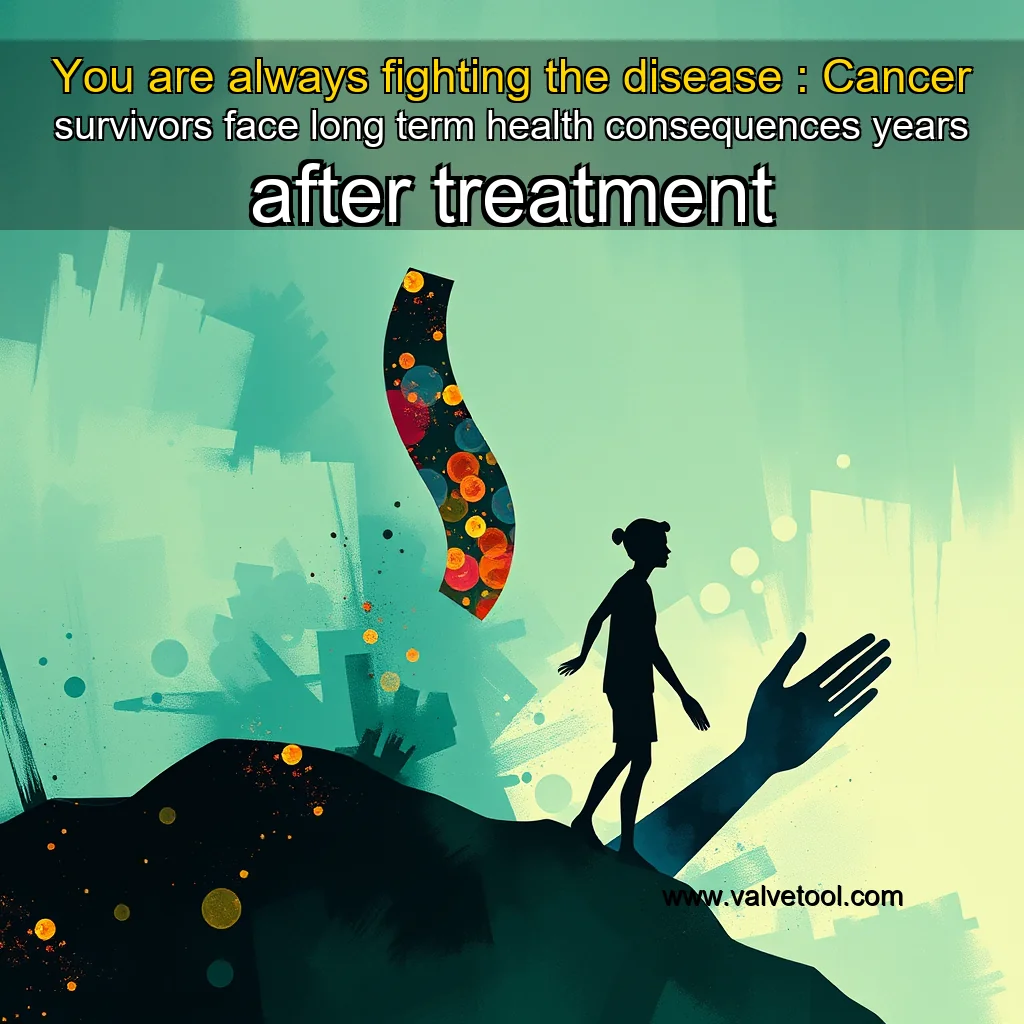
Dr Didwania explains that late effects can include a range of symptoms and complications that can arise years after treatment.
Understanding Late Effects of Radiation and Chemotherapy
Late effects of radiation and chemotherapy can be a significant concern for childhood and young adult cancer survivors. These late effects can include a range of symptoms and complications that can arise years after treatment. According to Dr. Didwania, late effects can be divided into two main categories: physical and psychological.
Physical Late Effects
Physical late effects can include a range of symptoms and complications, such as:
Psychological Late Effects
Psychological late effects can include a range of symptoms and complications, such as:
She has been on dialysis for 10 years and has been on immunosuppressive drugs for 20 years. She has been on the transplant list for 10 years and has been waiting for a new heart. She is a strong advocate for organ donation and has been involved in several charity organizations that support organ donation and transplantation.
The Struggle of Living with a Transplant
Living with a transplant is a unique and challenging experience. For individuals like Chip, who have been on dialysis for years, the wait for a new heart can be a long and arduous one.
As a result, age-related diseases such as osteoporosis, arthritis, and Alzheimer’s are becoming increasingly prevalent among the elderly population.
The Impact of Aging on Tissue Damage
Aging is a natural process that affects the body in various ways, leading to the accumulation of damage over time. This damage can manifest in different forms, such as:
The Role of Effective Treatments
Effective treatments have significantly improved the quality of life for many individuals, allowing them to live longer and healthier lives. However, these treatments also have a side effect: they can accelerate the aging process. Hormone replacement therapy: Hormone replacement therapy (HRT) can help alleviate symptoms of menopause and andropause, but it can also lead to an increased risk of certain cancers and cardiovascular disease.
The risk is not just limited to the radiation therapy itself, but also to the radioactive isotopes used in the treatment. These isotopes can remain in the body for decades, and their effects can be unpredictable and cumulative. The risk of radiation-induced cancer is not just a concern for patients who have undergone treatment, but also for their families and loved ones. The risk is not limited to the patient, but also to the environment and the community.
The Ongoing Risk of Radiation Exposure
The risk of radiation exposure is a significant concern for patients who have undergone radiation therapy. While the treatment is designed to target and destroy cancer cells, it can also have unintended consequences on the body. The effects of radiation can be unpredictable and cumulative, making it challenging to assess the long-term risks. The risk of radiation-induced cancer is a major concern for patients who have undergone radiation therapy. The risk is not limited to the patient, but also to their families and loved ones. The risk is also present in the environment and the community.
The Impact on Families and Loved Ones
The risk of radiation exposure is not limited to the patient, but also affects their families and loved ones. The effects of radiation can be passed down through generations, making it essential for families to be aware of the risks and take necessary precautions. The risk of radiation-induced cancer can be passed down through generations. Families can take steps to reduce the risk, such as limiting exposure to radiation and monitoring for signs of radiation exposure.
The Importance of Medical Watch
Medical Watch is a vital component of WGN’s coverage of health and wellness. It provides viewers with the latest information on medical breakthroughs, new treatments, and emerging health trends.