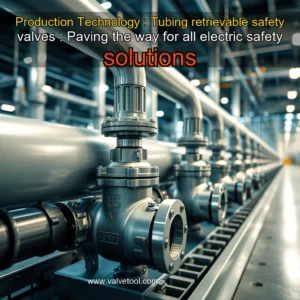
This article will delve into the world of safety relief valves, exploring their history, types, applications, and the latest trends in the industry.
History of Safety Relief Valves
The concept of safety relief valves dates back to the early 19th century, when steam engines were first introduced. These early valves were simple devices that allowed excess steam to escape, preventing the engine from over-pressurizing. Over time, the design and materials used in safety relief valves have evolved significantly, with advancements in metallurgy and manufacturing techniques leading to more efficient and reliable devices. Key milestones in the development of safety relief valves include: + 1820s: The first safety relief valves were introduced, using simple piston and cylinder designs. + 1850s: The introduction of steam-powered locomotives led to the development of more complex safety relief valves. + 1900s: The use of new materials, such as cast iron and steel, improved the durability and performance of safety relief valves.
Types of Safety Relief Valves
Safety relief valves come in a variety of types, each designed to meet specific application requirements. The most common types of safety relief valves include:
Each type has its unique characteristics and applications.
Types of Safety Relief Valves
Spring-Loaded Safety Relief Valves
Spring-loaded safety relief valves are the most common type of SRV. They are designed to open when the pressure in the system exceeds a predetermined setpoint, releasing excess pressure and preventing damage to the equipment. These valves are typically used in applications where the pressure is relatively low, such as in chemical processing and power generation. Key characteristics: + Simple and cost-effective design + Suitable for low-pressure applications + Can be used in a variety of industries, including chemical processing and power generation
+ Chemical processing plants + Power generation facilities + Oil and gas refineries
Pilot-Operated Safety Relief Valves
Pilot-operated safety relief valves are designed to operate on a pilot signal, which is typically generated by a pressure transducer or a pressure switch. These valves are more complex than spring-loaded valves and are typically used in high-pressure applications, such as in oil and gas production.
Smart Safety Relief Valves: Revolutionizing Pressure Management with Advanced Features and Real-Time Monitoring.
This enables operators to take proactive measures to prevent over-pressurization, reduce maintenance costs, and optimize valve performance.
Smart Safety Relief Valves: Revolutionizing Pressure Management
The Need for Advanced Safety Relief Valves
Traditional safety relief valves are designed to protect equipment from over-pressurization, but they often lack advanced features that can improve their performance and efficiency. In today’s industrial landscape, the need for smart safety relief valves has become increasingly evident. These valves can be integrated with sensors, data logging, and remote monitoring capabilities, enabling operators to take a more proactive approach to pressure management.
Key Features of Smart Safety Relief Valves
The Evolution of Smart Valves
The concept of smart valves has been around for several decades, but recent advancements have led to significant improvements in their design, functionality, and integration with other systems. One of the key features of smart valves is their ability to be integrated with supervisory control and data acquisition (SCADA) systems, which enable automated decision-making and real-time monitoring.
Benefits of Smart Valves
Materials and Manufacturing
Traditional valves were made from materials like cast iron and bronze, but modern smart valves are being made from more resilient materials like high-performance alloys and stainless steel.
The Evolution of Valve Design
The manufacturing process has undergone significant transformations in recent years, leading to the development of more sophisticated and efficient valve designs. One of the key drivers of this evolution is the increasing demand for high-performance valves that can withstand extreme pressure levels and provide precise control over fluid flow.
Advancements in Materials and Manufacturing Techniques
The advent of new manufacturing techniques, such as additive manufacturing (3D printing), has revolutionized the way valves are designed and constructed. These techniques enable the creation of intricate, lightweight, and durable valve designs that were previously impossible to achieve with traditional manufacturing methods. Intricate designs: Additive manufacturing allows for the creation of complex geometries and internal structures that were previously difficult or impossible to produce. Lightweight materials: The use of advanced materials, such as titanium and advanced polymers, enables the creation of valves that are significantly lighter than their traditional counterparts. * Improved durability: The ability to create complex internal structures and precise tolerances has led to valves that are more resistant to wear and tear, reducing maintenance and increasing overall lifespan.**
Safety Relief Valves: A Growing Priority
As industries continue to push the boundaries of pressure and flow rates, the need for larger safety relief valves has become increasingly important.
As a result, the demand for SRVs that can minimize environmental impact is on the rise.
The Growing Need for SRVs
The increasing demand for SRVs is driven by the need for industries to meet global safety standards and reduce their environmental footprint. The safety relief valve market is expected to grow significantly in the coming years, driven by the need for higher-quality SRVs that can meet operational safety standards.
Key Drivers of the SRV Market
The Benefits of Higher-Quality SRVs
Higher-quality SRVs offer several benefits, including:
Safety valves get a green makeover to reduce emissions and protect the environment.
As a result, the demand for safety relief valves is increasing, driven by the need for sustainable and environmentally responsible practices.
The Rise of Enhanced Safety Relief Valves
The traditional safety relief valves have been the cornerstone of industrial safety for decades. However, with the growing awareness of environmental concerns and the need for sustainable practices, the industry is witnessing a significant shift towards enhanced safety relief valves. These valves are designed to provide superior sealing capabilities, minimize emissions, and utilize eco-friendly materials.
Key Features of Enhanced Safety Relief Valves
The Rise of Deepwater Exploration
The deepwater oil and gas industry has experienced significant growth in recent years, driven by the increasing demand for energy and the discovery of new reserves. As a result, the industry has had to adapt to the challenges of exploring and extracting resources from the deep ocean. One of the key technologies that has emerged in response to these challenges is the Subsea Reel (SRV).
What is a Subsea Reel? A Subsea Reel is a type of underwater equipment designed to transport and deploy heavy loads, such as drilling equipment, pipes, and other infrastructure, across the seafloor.
Safety relief valves are critical components in various industrial processes, including oil and gas, chemical, and power generation. They play a vital role in protecting equipment, personnel, and the environment from the risks associated with overpressure.
The Importance of Safety Relief Valves
Protecting Equipment and Personnel
Safety relief valves are designed to release excess pressure in a controlled manner, preventing damage to equipment and ensuring the safety of personnel.
SRVs are used in various applications, including:
Applications of Safety Relief Valves
- Food and Beverage Industry
- Chemical Industry
- Oil and Gas Industry
- Power Generation Industry
- Water Treatment Industry
- Protection of Equipment and Personnel
- Prevention of Damage to Equipment
- Reduction of Risk of Accidents
- Compliance with Regulations and Standards
- Cost Savings
- Advanced collision detection systems: These systems use sensors and cameras to detect potential collisions and alert drivers to take evasive action.
To address this issue, the market is expected to see increased consolidation and cooperation among manufacturers.
The Safety Relief Valve Market: A Fragmented Landscape
The safety relief valve market is characterized by a high degree of fragmentation, with numerous small and medium-sized manufacturers competing for market share.
The increasing importance of safety and environmental considerations in the design and operation of safety relief valves.
The Evolving Landscape of Safety Relief Valves
The safety relief valve market is experiencing a transformative period, driven by the convergence of technological, material, and regulatory factors. As the industry continues to evolve, it’s essential to understand the key trends shaping the market and their implications for manufacturers, users, and regulators.
Advancements in Technology and Materials
- Digitalization and IoT: The integration of digital technologies, such as sensors, actuators, and data analytics, is revolutionizing the way safety relief valves are designed, manufactured, and operated. This includes the use of smart valves that can monitor and adjust their performance in real-time, ensuring optimal safety and efficiency. Advanced Materials: The development of new materials with improved properties, such as corrosion resistance and durability, is enabling the creation of more reliable and efficient safety relief valves. These advancements are particularly important in harsh environments, where traditional materials may not be sufficient. Sustainable and Environmentally Friendly Designs: As concerns about climate change and environmental sustainability grow, manufacturers are responding by designing safety relief valves that minimize waste, reduce emissions, and promote eco-friendly practices. ## Emerging Economies and Industrial Growth**
Safety relief valves are designed to protect equipment and personnel from over-pressurization. They are typically used in high-pressure systems where a sudden loss of pressure could lead to catastrophic consequences. SRVs are designed to relieve pressure by opening and allowing the fluid to escape, thereby preventing damage to equipment and ensuring the safety of personnel.
Benefits of Safety Relief Valves
Safety relief valves provide numerous benefits to industries that use them. By protecting equipment and personnel from over-pressurization, SRVs help prevent damage to equipment and reduce the risk of accidents.
This has led to a surge in demand for alternative materials and innovative solutions. In response, manufacturers are exploring new technologies and strategies to improve the sustainability and efficiency of SRV production.
The Evolution of SRV Manufacturing
Safety Features
Manufacturers are prioritizing the development of advanced safety features to address the growing concerns of SRV users. Some of the key safety features being explored include:
Emerging Economies and Industrial Growth
The safety relief valve market is also being driven by the growing demand in emerging economies, where industrial growth and infrastructure development are creating new opportunities for manufacturers and users. Increasing Demand in Asia and Africa: Countries such as China, India, and South Africa are experiencing rapid economic growth, leading to an increase in industrial production and infrastructure development. This, in turn, is driving demand for safety relief valves and other safety equipment.
They are designed to release excess pressure in a system, preventing catastrophic failures and ensuring the safe operation of equipment. In this article, we will delve into the world of safety relief valves, exploring their importance, types, and applications.
The Importance of Safety Relief Valves
Safety relief valves are a critical component in various industries, including oil and gas, chemical processing, and power generation. They are designed to protect people, equipment, and the environment from the devastating effects of excessive pressure. In the event of a pressure surge or other hazardous condition, safety relief valves automatically release excess pressure, preventing a potentially catastrophic failure.