Preparing for a Frozen Pipe Emergency
Before the City of Houston shuts down on Wednesday, take the necessary steps to prepare for a frozen pipe emergency. Here are some essential tips to help you stay safe and avoid costly repairs:
Identifying the Signs of a Frozen Pipe
Frozen pipes can be a silent killer, causing significant damage before you even realize it’s happening. Here are some common signs to look out for:
A seized valve can cause water to leak into your home, resulting in wasted water and increased water bills.
Understanding the Problem
A seized water meter valve can be a frustrating and costly issue for homeowners. It’s essential to understand the causes and symptoms of a seized valve to address the problem effectively. A seized valve is typically caused by:
- Over-tightening the valve
- Using the wrong type of wrench
- Failure to turn the valve in a specific sequence
- Corrosion or mineral buildup
- Difficulty turning the valve
- Leaks around the valve
- Water pressure fluctuations
- Increased water bills
- Wasted water: Leaky faucets can waste a significant amount of water, leading to increased water bills and a negative impact on the environment. Increased water bills: Leaky faucets can cause water to flow continuously, resulting in higher water bills and a significant financial burden. Structural damage: Leaky faucets can lead to structural damage, especially if the water leaks into the walls or foundation of your home. Mold and mildew: Leaky faucets can create an ideal environment for mold and mildew to grow, leading to health issues and unpleasant odors. ### The Importance of Addressing Leaky Faucets
- Prevent water damage: Addressing leaky faucets promptly can prevent water damage and costly repairs. Reduce water bills: Fixing leaky faucets can help reduce water bills and save you money in the long run.
Locate the Shut-Off Valve to Prevent Water Damage and Flooding in Your Home.
The location of this valve can vary depending on the local regulations and the type of water supply system used by your community.
Shutting Off the Water Supply
Understanding the Importance of Shutting Off the Water Supply
Shutting off the water supply is a crucial step in preventing water damage and minimizing the risk of flooding in your home. When a pipe bursts or a leak occurs, water can flow rapidly through the pipes, causing significant damage to your property and potentially leading to costly repairs. By shutting off the water supply, you can prevent this damage and give yourself time to assess the situation and take action.
Locating the Shut-Off Valve
Finding the Meter Shut-Off Valve
The meter shut-off valve is usually located near the property line, and it’s essential to find it quickly in case of an emergency. Here are some tips to help you locate the valve:
- Check your property’s utility map or contact your local water department to determine the location of the meter shut-off valve. Look for a buried box or pit near the property line, which may be marked with a sign or have a distinctive appearance. If you’re unable to find the valve, consider hiring a professional plumber to locate it for you. #### Finding the Main Shut-Off Valve*
Finding the Main Shut-Off Valve
The main shut-off valve is usually located inside your home, and it’s essential to know where it is in case of an emergency. Here are some tips to help you locate the valve:
- Check your home’s plumbing system diagram or consult with a professional plumber to determine the location of the main shut-off valve.
Shutting off the main water valve is a critical step in preventing water damage and ensuring your safety.
Shutting Off the Main Water Valve
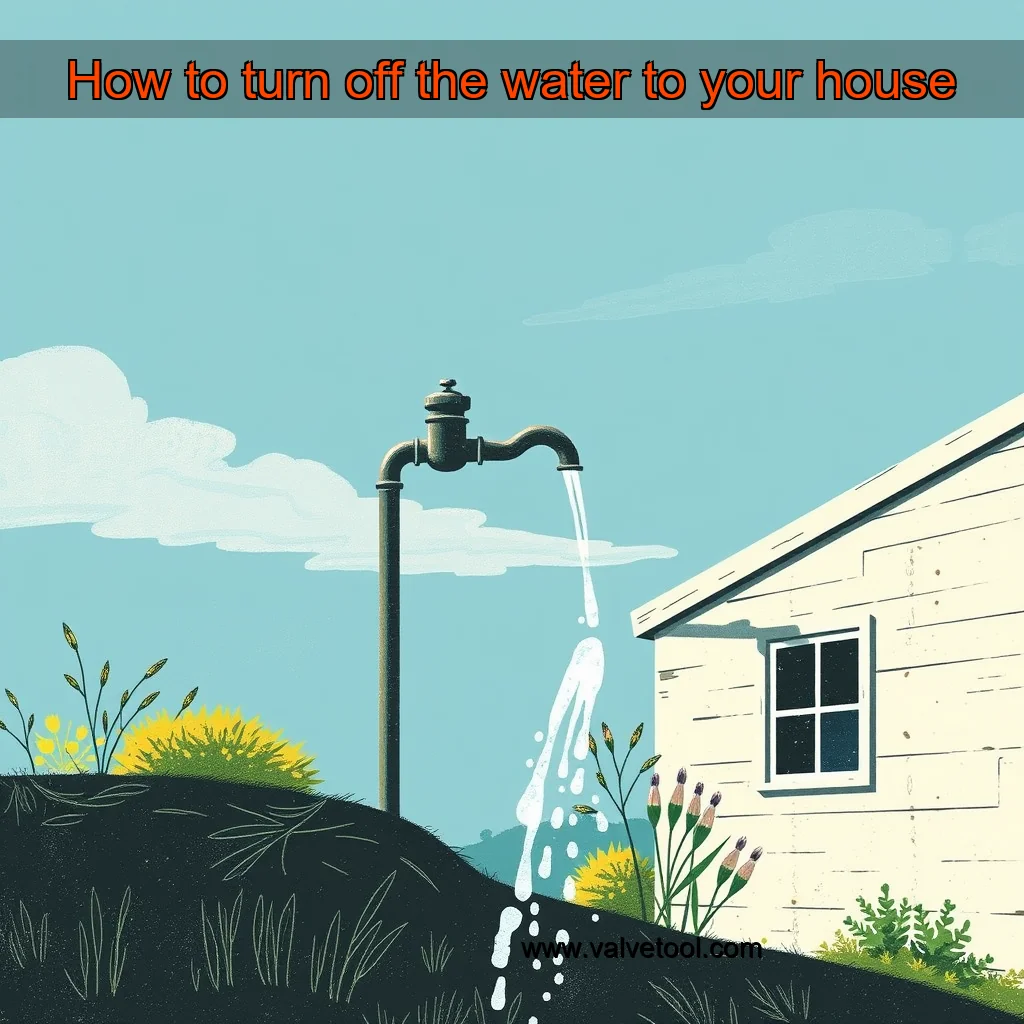
Shutting off the main water valve is a crucial step in preventing water damage and ensuring your safety. This valve is usually located near the water meter and is typically a large, metal handle or lever. To shut off the main water valve, follow these steps:
- Locate the main water valve, which is usually near the water meter. Turn the valve clockwise to shut it off. Make sure the valve is fully closed before proceeding. ## Preparing for the Shut-Off*
Preparing for the Shut-Off
Before shutting off the water, it’s essential to prepare your home and family for the process. Here are some steps to take:
- Open tub and sink faucets to relieve pressure and ensure a full shutdown. Turn off any other water sources, such as toilets and washing machines. Gather necessary tools, such as a water meter key and a wrench.
Shutting Down the Water Heater and Boiler to Prevent Accidental Start-Ups and Electrical Shocks.
Shutting Down the Water Heater and Boiler
Shutting down the water heater and boiler is a crucial step in the water draining process. This step is essential to prevent any accidental start-ups or electrical shocks. Here are some key points to consider:
- Identify the shut-off valves: Locate the shut-off valves for the water heater and boiler. These valves are usually located near the water heater or boiler and are typically marked with a sign indicating their purpose. Turn the valves clockwise: Turn the shut-off valves clockwise to shut off the water supply to the water heater and boiler. Verify the shut-off: Once the valves are turned, verify that the water supply has been shut off by checking for water flow or listening for the sound of running water. ### ## Preparing the Drainage Area**
## Preparing the Drainage Area
Before draining the water from your home, it’s essential to prepare the drainage area. This includes clearing any debris or obstructions that may be present in the drainage system. Here are some key points to consider:
- Clear the area around the water heater and boiler: Remove any debris or obstructions that may be present in the area around the water heater and boiler. Use a drain snake or plumber’s auger: Use a drain snake or plumber’s auger to clear any blockages in the drainage system.
Turning the valves on or off requires a specific sequence of actions to avoid damaging the system.
To turn the water supply back on, turn the valve clockwise slowly. To turn the water supply off, turn the valve counterclockwise slowly. To turn the valves on or off, use the following sequence: 1) turn the water-cutoff valve clockwise slowly, 2) turn the handle of the valve clockwise slowly, and 3) turn the handle of the valve counterclockwise slowly. To turn the valves on or off, use the sequence: 1) turn the handle of the valve counterclockwise slowly, 2) turn the handle of the valve clockwise slowly, and 3) turn the handle of the valve counterclockwise slowly.
Turning the Water Supply On or Off
Turning the water supply on or off is a crucial task that requires attention to detail and a clear understanding of the valve sequence.
Turn the handle clockwise to shut off the main valve.
Understanding the Basics of Shutting Off a Water Main Valve
Shutting off a water main valve is a crucial step in preventing water damage and ensuring the safety of your home and its occupants. In this article, we will delve into the basics of shutting off a water main valve, including the importance of understanding the location and operation of these valves, the steps involved in shutting them off, and the potential consequences of not doing so.
Locating the Water Main Valve
The first step in shutting off a water main valve is to locate it. This valve is typically located near the water meter or where the water line enters your home. It may be a large, metal valve or a smaller, more discreet one. If you’re unsure where your water main valve is, you can check your home’s plumbing diagram or consult with a professional plumber. Some common locations for water main valves include: + Near the water meter + Where the water line enters your home + In the basement or crawl space + In the garage or shed
Understanding the Operation of the Valve
Once you’ve located the water main valve, it’s essential to understand how it operates. Most water main valves are operated by a handle or a lever that you turn clockwise to shut off the valve.
Identifying the Cause
To diagnose the issue, it’s crucial to identify the underlying cause of the seized valve.
Locate and Isolate the Main Water Cut-Off Valve to Prepare for Emergencies
Turning Off the Main Water Supply
Turning off the main water supply is a crucial step in preparing for a potential emergency or disaster. This process involves locating and isolating the main water cut-off valve, which controls the flow of water into your home. In most cases, the main water cut-off valve can be turned by hand without the need for tools.
Identifying the Main Water Cut-Off Valve
To locate the main water cut-off valve, you’ll need to search for a valve that controls the flow of water into your home. This valve is usually located near the water meter, which is typically found in the garage, basement, or utility room. The valve may be labeled as the “main shut-off” or “main valve,” but it’s essential to verify its identity by checking the water meter or consulting with a professional.
Turning the Main Water Cut-Off Valve
Once you’ve identified the main water cut-off valve, you can turn it off by hand.
The Hidden Dangers of Leaky Faucets
Leaky faucets are a common household issue that can lead to wasted water, increased water bills, and even structural damage to your home. However, the problem often goes unnoticed until it’s too late. In this article, we’ll delve into the hidden dangers of leaky faucets and explore the importance of addressing this issue promptly.