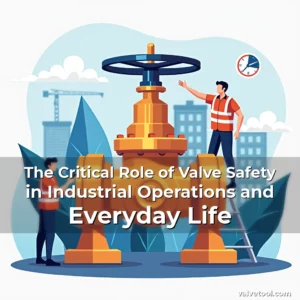
The Crucial Role of Valve Safety in Industrial Operations and Everyday Applications
Valves are indispensable components across various industries, from oil and gas to pharmaceuticals and residential plumbing systems. However, ensuring their safe operation is paramount to prevent accidents, environmental damage, and costly downtime.
Inadequate valve maintenance or improper installation can lead to catastrophic failures that endanger lives and disrupt operations. Understanding valve safety protocols is essential for professionals and enthusiasts alike who rely on these devices daily.
Fundamentals of Valve Functionality and Their Importance in Safety
A valve serves as a mechanical device designed to control the flow of fluids by opening, closing, or partially obstructing passageways within pipelines or vessels. This basic function underpins its critical role in maintaining system integrity and operational efficiency.
From regulating pressure levels in high-stakes environments such as nuclear power plants to managing water supply in homes, valves ensure that fluid dynamics remain predictable and manageable at all times. Proper functioning valves contribute significantly to both human safety and infrastructure reliability.
Understanding how different types of valves operate—such as gate valves which provide full shut-off capabilities versus globe valves suited for throttling applications—is vital when assessing potential risks associated with each design choice during installation or replacement processes.
Each type of valve has distinct characteristics that influence its suitability for particular tasks; therefore selecting an appropriate model based on application requirements becomes crucial for long-term performance without compromising safety standards.
Common Causes of Valve Failures and How They Impact System Integrity
Valve failure often stems from several common causes including corrosion, erosion due to abrasive materials passing through them, leakage caused by worn seals or faulty gaskets, and mechanical stress resulting from incorrect sizing or excessive pressure differentials.
Coupled with inadequate maintenance schedules, these factors create conditions where unexpected breakdowns become increasingly likely. Such incidents not only pose immediate dangers but also result in prolonged service interruptions affecting productivity negatively.
Corrosion remains one of the leading contributors to premature wear-out among metallic valves used extensively in chemical processing units where aggressive substances frequently come into contact with internal parts.
Erosion issues commonly arise when handling particulate-laden media which gradually wears down surfaces over time unless protective measures like lining options are considered during initial specification stages.
- Corrosion: Occurs primarily because of exposure to corrosive chemicals present in certain industrial settings.
- Erosion: Results from continuous passage of solid particles mixed with liquids or gases inside piping systems.
- Leakage: Can occur either internally between moving parts or externally around sealing faces depending upon seal material degradation rates.
- Mechanical Stress: Often arises due to mismatched component dimensions causing undue strain during normal operating cycles.
Addressing these underlying problems proactively requires implementing robust preventive strategies tailored specifically towards mitigating identified risk areas within given operational contexts.
Essential Components Contributing To Overall Valve Safety Performance
The structural composition of a valve comprises numerous key elements working together harmoniously to achieve reliable closure mechanisms while simultaneously allowing controlled movement of media being transported via connected conduits.
Main body structures typically fabricated using durable alloys resistant against typical forms of degradation encountered throughout service life span make up foundational aspects necessary for enduring harsh conditions prevalent across diverse sectors utilizing valves regularly.
Packing assemblies play pivotal roles in preventing unwanted escape paths for contained substances thereby enhancing overall containment effectiveness especially relevant for hazardous materials handling scenarios.
Gasket interfaces situated strategically along mating surfaces guarantee tightness required for sustaining desired levels of isolation between adjacent segments comprising larger network architectures involving complex interconnections.
Bonnet designs vary considerably according to manufacturer preferences yet consistently aim toward facilitating easy access points enabling routine inspections alongside straightforward replacement procedures whenever necessary without requiring complete dismantling efforts otherwise involved.
Design Considerations Influencing Long-Term Valve Reliability And Safety
When choosing suitable valve configurations intended for deployment purposes spanning extended durations, careful attention must be paid regarding material selection criteria aligned closely with anticipated usage patterns expected thereof.
For instance, stainless steel grades possessing superior resistance properties against acidic compounds may prove advantageous compared alternatives less capable of withstanding similar exposures repeatedly occurring within specified environments.
Moreover, considering temperature fluctuations experienced routinely affects decisions concerning optimal construction choices since thermal expansion differences could potentially compromise dimensional stability over time periods exceeding initial expectations.
Pressure rating specifications serve another crucial aspect influencing final selections made available for implementation particularly applicable situations demanding strict adherence compliance regulations governing allowable limits imposed upon functional parameters established beforehand.
Additionally, incorporating features promoting ease-of-maintenance reduces likelihood encountering unforeseen complications later arising post-installation phases thus contributing positively toward sustained operational continuity benefiting stakeholders involved therein.
Implementing Effective Maintenance Protocols For Optimal Valve Operation
Routine inspection routines form integral portions forming comprehensive management frameworks aimed at preserving peak condition statuses maintained consistently throughout active lifecycle spans assigned accordingly.
Scheduled checks focusing primarily visual assessments complemented periodic disassembly exercises allow early detection identifying emerging concerns before escalating further reaching critical thresholds necessitating urgent remediation actions.
Documentation practices capturing findings recorded systematically enables tracking progressions observed historically providing invaluable references guiding future course corrections whenever discrepancies noted persistently recurring issues detected previously.
Adopting predictive analytics methodologies leveraging historical data sets helps anticipate probable deterioration trajectories assisting planners allocate resources efficiently preemptively addressing impending challenges rather than reacting belatedly after occurrences already transpired beyond recovery windows.
Collaborative approaches fostering cross-functional team engagements ensures seamless coordination amongst engineers technicians administrators collectively sharing responsibilities equitably distributing workload effectively maximizing outcomes achieved collaboratively.
Emerging Trends In Valve Technology Enhancing Contemporary Safety Standards
Recent advancements revolutionizing traditional paradigms surrounding conventional methods employed historically showcase promising directions propelling forward evolution trajectory shaping modern landscape defining current era’s technological maturity level attained hitherto.
Smart sensor integrations embedded directly onto physical constructs enable real-time monitoring functionalities delivering instantaneous alerts detecting anomalies instantaneously triggering automated responses minimizing delays response times substantially improving reaction speeds significantly increasing chances successful interventions executed promptly before escalations ensued.
Materials science breakthroughs yielding enhanced composite formulations exhibit remarkable improvements exhibiting heightened resilience characteristics surpassing previous benchmarks establishing new industry norms setting higher expectations achievable through innovative solutions devised recently developed techniques applied practically now.
Digital twin implementations facilitate virtual simulations mirroring actual installations precisely allowing precise modeling testing scenarios virtually eliminating need conducting expensive trials physically reducing costs incurred simultaneously accelerating development timelines dramatically shortening product readiness intervals considerably.
These innovations underscore growing emphasis placed upon integrating intelligent technologies augmenting existing infrastructures transforming passive components actively participating dynamic ecosystems enhancing global competitiveness positioning organizations favorably amidst rapidly evolving market landscapes dominated fierce competition driven relentless pursuit excellence.
Training Programs And Certification Processes Critical For Ensuring Proficient Handling Of Valves Safely
Comprehensive training initiatives targeting personnel engaged hands-on activities related direct interaction equipment mandate rigorous curricula covering theoretical foundations practical skills acquisition simultaneously reinforcing fundamental principles essential mastering subject matter thoroughly.
Hands-on workshops exposing participants simulated environments replicating real-world conditions foster experiential learning opportunities cultivating muscle memory essential executing procedures accurately under varying circumstances confidently.
Certification examinations verifying knowledge proficiency acquired throughout educational journeys establish formal recognition validating expertise credentials indispensable securing employment positions advancing careers professionally.
Continuing education modules keeping abreast latest developments emerging fields ensure practitioners maintain currency continuously adapting evolving best practices aligning personal competencies contemporary demands imposed dynamically shifting workforces characterized rapid innovation cycles.
By prioritizing investment allocating sufficient budgets dedicated professional growth endeavors organizations demonstrate commitment nurturing talent pools equipped competencies meeting stringent safety mandates prevailing regulatory frameworks enforced globally today.
Case Studies Highlighting Real-World Impacts Of Neglecting Proper Valve Safety Measures
Houston Refinery Explosion (2005): A significant incident highlighting consequences neglecting adequate safeguards resulted massive loss human lives extensive property destruction emphasizing necessity adhering strict guidelines implemented meticulously throughout entire project lifecycles irrespective scale magnitude undertaken undertakings.
During investigations revealed faulty relief valves failed properly vent excess pressures accumulating dangerously high levels ultimately culminating detonation events cascading chain reactions initiating widespread devastation impacting surrounding communities severely.
This tragedy underscores importance regular audits performed independently third-party entities impartial evaluations ensuring compliance verified objectively transparently strengthening trust public authorities concerned parties invested safeguarding collective interests preserved diligently.
Similarly, Deepwater Horizon Oil Spill (2010) illustrated disastrous repercussions stemming insufficient oversight regarding blowout preventer functionality leading uncontrolled release crude oil Gulf Mexico affecting marine wildlife ecosystems economically destabilizing coastal regions dependent fishing tourism revenues.
Analysis pointed deficiencies maintenance protocols coupled lax enforcement standards permitted critical systems degrade unnoticed until irreversible damages occurred irreparably altering regional ecologies economic structures permanently.
Both cases exemplify stark reminders vigilance required maintaining highest safety benchmarks regardless sector operating within reminding everyone involved never underestimate significance seemingly minor oversights possibly triggering monumental disasters silently lurking beneath surface appearances initially overlooked dismissed casually.
Regulatory Frameworks Governing Valve Safety Across Industries
Various governmental bodies international organizations have established stringent codes standards aimed ensuring consistent quality assurance levels maintained universally accepted benchmarks measured reliably comparable manner worldwide.
ASME Boiler & Pressure Vessel Code (BPVC) outlines comprehensive set rules specifying minimum requirements manufactured installed operated pressurized systems including valves serving vital functions controlling flows pressures throughout networks.
API Standard 6D provides specific guidance relating gate ball butterfly valves utilized petroleum refining natural gas distribution sectors ensuring compatibility durability performance metrics evaluated rigorously tested periodically confirming continued conformity prescribed specifications.
OSHA regulations enforce workplace health safety protections mandating employers implement programs educating employees hazards associated improper handling equipment promoting culture awareness responsibility shared equally among workforce members.
ISO certification processes promote globalization standardization facilitating smoother trade agreements across borders recognizing mutual equivalences reducing redundancies simplifying verification procedures streamlining approvals expediting project completions benefiting multinational corporations expanding operations internationally.
Future Outlook On Advancements In Valve Safety Technologies And Practices
As industries continue evolving amid ever-changing technological landscapes, ongoing research investments directed toward refining existing methodologies developing novel approaches poised redefine tomorrow’s safety paradigms redefining what constitutes acceptable risk tolerances deemed permissible within regulated domains governed by authoritative institutions overseeing compliance monitoring activities.
Advancements artificial intelligence machine learning algorithms promise transformative impacts analyzing vast datasets identifying subtle trends predicting failures far ahead conventional means currently employed today enabling proactive interventions executed swiftly averting potential crises altogether avoiding costly repairs aftermaths entirely.
Integration blockchain technology enhances traceability accountability throughout supply chains ensuring authenticity provenance every component sourced validated securely immutably recorded digitally accessible auditable anytime anywhere adding layer transparency security previously unattainable manually tracked paper-based records vulnerable tampering errors.
Autonomous drones equipped advanced sensors offer revolutionary ways inspecting hard-to-reach locations performing routine checks previously impossible due accessibility constraints limited human reach capabilities restricting scope manual inspections traditionally conducted labor-intensive fashion consuming substantial amounts time resources.
Such futuristic outlooks illustrate exciting possibilities awaiting realization demonstrating unwavering dedication toward perpetual improvement pursuits striving elevate safety margins incrementally pushing boundaries continually exploring horizons beyond current limitations unlocking untapped potentials reshaping future perspectives industry-wide transformations imminent horizon.
Conclusion
Ensuring valve safety involves understanding fundamentals behind these essential devices while staying informed about latest developments shaping field constantly changing environment influenced myriad variables affecting reliability performance longevity.
Whether you’re part specialized profession enthusiast passionate about maintaining secure efficient systems, adopting proactive stance embracing continual learning mindset proves instrumental navigating complexities inherent nature dealing intricate machinery demanded modern world successfully.
“`html
The Crucial Role of Valve Safety in Industrial Operations and Everyday Applications
Valves are indispensable components across various industries, from oil and gas to pharmaceuticals and residential plumbing systems. However, ensuring their safe operation is paramount to prevent accidents, environmental damage, and costly downtime.
Inadequate valve maintenance or improper installation can lead to catastrophic failures that endanger lives and disrupt operations. Understanding valve safety protocols is essential for professionals and enthusiasts alike who rely on these devices daily.
Fundamentals of Valve Functionality and Their Importance in Safety
A valve serves as a mechanical device designed to control the flow of fluids by opening, closing, or partially obstructing passageways within pipelines or vessels. This basic function underpins its critical role in maintaining system integrity and operational efficiency.
From regulating pressure levels in high-stakes environments such as nuclear power plants to managing water supply in homes, valves ensure that fluid dynamics remain predictable and manageable at all times. Proper functioning valves contribute significantly to both human safety and infrastructure reliability.
Understanding how different types of valves operate—such as gate valves which provide full shut-off capabilities versus globe valves suited for throttling applications—is vital when assessing potential risks associated with each design choice during installation or replacement processes.
Each type of valve has distinct characteristics that influence its suitability for particular tasks; therefore selecting an appropriate model based on application requirements becomes crucial for long-term performance without compromising safety standards.
Common Causes of Valve Failures and How They Impact System Integrity
Valve failure often stems from several common causes including corrosion, erosion due to abrasive materials passing through them, leakage caused by worn seals or faulty gaskets, and mechanical stress resulting from incorrect sizing or excessive pressure differentials.
Coupled with inadequate maintenance schedules, these factors create conditions where unexpected breakdowns become increasingly likely. Such incidents not only pose immediate dangers but also result in prolonged service interruptions affecting productivity negatively.
Corrosion remains one of the leading contributors to premature wear-out among metallic valves used extensively in chemical processing units where aggressive substances frequently come into contact with internal parts.
Erosion issues commonly arise when handling particulate-laden media which gradually wears down surfaces over time unless protective measures like lining options are considered during initial specification stages.
- Corrosion: Occurs primarily because of exposure to corrosive chemicals present in certain industrial settings.
- Erosion: Results from continuous passage of solid particles mixed with liquids or gases inside piping systems.
- Leakage: Can occur either internally between moving parts or externally around sealing faces depending upon seal material degradation rates.
- Mechanical Stress: Often arises due to mismatched component dimensions causing undue strain during normal operating cycles.
Addressing these underlying problems proactively requires implementing robust preventive strategies tailored specifically towards mitigating identified risk areas within given operational contexts.
Essential Components Contributing To Overall Valve Safety Performance
The structural composition of a valve comprises numerous key elements working together harmoniously to achieve reliable closure mechanisms while simultaneously allowing controlled movement of media being transported via connected conduits.
Main body structures typically fabricated using durable alloys resistant against typical forms of degradation encountered throughout service life span make up foundational aspects necessary for enduring harsh conditions prevalent across diverse sectors utilizing valves regularly.
Packing assemblies play pivotal roles in preventing unwanted escape paths for contained substances thereby enhancing overall containment effectiveness especially relevant for hazardous materials handling scenarios.
Gasket interfaces situated strategically along mating surfaces guarantee tightness required for sustaining desired levels of isolation between adjacent segments comprising larger network architectures involving complex interconnections.
Bonnet designs vary considerably according to manufacturer preferences yet consistently aim toward facilitating easy access points enabling routine inspections alongside straightforward replacement procedures whenever necessary without requiring complete dismantling efforts otherwise involved.
Design Considerations Influencing Long-Term Valve Reliability And Safety
When choosing suitable valve configurations intended for deployment purposes spanning extended durations, careful attention must be paid regarding material selection criteria aligned closely with anticipated usage patterns expected thereof.
For instance, stainless steel grades possessing superior resistance properties against acidic compounds may prove advantageous compared alternatives less capable of withstanding similar exposures repeatedly occurring within specified environments.
Moreover, considering temperature fluctuations experienced routinely affects decisions concerning optimal construction choices since thermal expansion differences could potentially compromise dimensional stability over time periods exceeding initial expectations.
Pressure rating specifications serve another crucial aspect influencing final selections made available for implementation particularly applicable situations demanding strict adherence compliance regulations governing allowable limits imposed upon functional parameters established beforehand.
Additionally, incorporating features promoting ease-of-maintenance reduces likelihood encountering unforeseen complications later arising post-installation phases thus contributing positively toward sustained operational continuity benefiting stakeholders involved therein.
Implementing Effective Maintenance Protocols For Optimal Valve Operation
Routine inspection routines form integral portions forming comprehensive management frameworks aimed at preserving peak condition statuses maintained consistently throughout active lifecycle spans assigned accordingly.
Scheduled checks focusing primarily visual assessments complemented periodic disassembly exercises allow early detection identifying emerging concerns before escalating further reaching critical thresholds necessitating urgent remediation actions.
Documentation practices capturing findings recorded systematically enables tracking progressions observed historically providing invaluable references guiding future course corrections whenever discrepancies noted persistently recurring issues detected previously.
Adopting predictive analytics methodologies leveraging historical data sets helps anticipate probable deterioration trajectories assisting planners allocate resources efficiently preemptively addressing impending challenges rather than reacting belatedly after occurrences already transpired beyond recovery windows.
Collaborative approaches fostering cross-functional team engagements ensures seamless coordination amongst engineers technicians administrators collectively sharing responsibilities equitably distributing workload effectively maximizing outcomes achieved collaboratively.
Emerging Trends In Valve Technology Enhancing Contemporary Safety Standards
Recent advancements revolutionizing traditional paradigms surrounding conventional methods employed historically showcase promising directions propelling forward evolution trajectory shaping modern landscape defining current era’s technological maturity level attained hitherto.
Smart sensor integrations embedded directly onto physical constructs enable real-time monitoring functionalities delivering instantaneous alerts detecting anomalies instantaneously triggering automated responses minimizing delays response times substantially improving reaction speeds significantly increasing chances successful interventions executed promptly before escalations ensued.
Materials science breakthroughs yielding enhanced composite formulations exhibit remarkable improvements exhibiting heightened resilience characteristics surpassing previous benchmarks establishing new industry norms setting higher expectations achievable through innovative solutions devised recently developed techniques applied practically now.
Digital twin implementations facilitate virtual simulations mirroring actual installations precisely allowing precise modeling testing scenarios virtually eliminating need conducting expensive trials physically reducing costs incurred simultaneously accelerating development timelines dramatically shortening product readiness intervals considerably.
These innovations underscore growing emphasis placed upon integrating intelligent technologies augmenting existing infrastructures transforming passive components actively participating dynamic ecosystems enhancing global competitiveness positioning organizations favorably amidst rapidly evolving market landscapes dominated fierce competition driven relentless pursuit excellence.
Training Programs And Certification Processes Critical For Ensuring Proficient Handling Of Valves Safely
Comprehensive training initiatives targeting personnel engaged hands-on activities related direct interaction equipment mandate rigorous curricula covering theoretical foundations practical skills acquisition simultaneously reinforcing fundamental principles essential mastering subject matter thoroughly.
Hands-on workshops exposing participants simulated environments replicating real-world conditions foster experiential learning opportunities cultivating muscle memory essential executing procedures accurately under varying circumstances confidently.
Certification examinations verifying knowledge proficiency acquired throughout educational journeys establish formal recognition validating expertise credentials indispensable securing employment positions advancing careers professionally.
Continuing education modules keeping abreast latest developments emerging fields ensure practitioners maintain currency continuously adapting evolving best practices aligning personal competencies contemporary demands imposed dynamically shifting workforces characterized rapid innovation cycles.
By prioritizing investment allocating sufficient budgets dedicated professional growth endeavors organizations demonstrate commitment nurturing talent pools equipped competencies meeting stringent safety mandates prevailing regulatory frameworks enforced globally today.
Case Studies Highlighting Real-World Impacts Of Neglecting Proper Valve Safety Measures
Houston Refinery Explosion (2005): A significant incident highlighting consequences neglecting adequate safeguards resulted massive loss human lives extensive property destruction emphasizing necessity adhering strict guidelines implemented meticulously throughout entire project lifecycles irrespective scale magnitude undertaken undertakings.
During investigations revealed faulty relief valves failed properly vent excess pressures accumulating dangerously high levels ultimately culminating detonation events cascading chain reactions initiating widespread devastation impacting surrounding communities severely.
This tragedy underscores importance regular audits performed independently third-party entities impartial evaluations ensuring compliance verified objectively transparently strengthening trust public authorities concerned parties invested safeguarding collective interests preserved diligently.
Similarly, Deepwater Horizon Oil Spill (2010) illustrated disastrous repercussions stemming insufficient oversight regarding blowout preventer functionality leading uncontrolled release crude oil Gulf Mexico affecting marine wildlife ecosystems economically destabilizing coastal regions dependent fishing tourism revenues.
Analysis pointed deficiencies maintenance protocols coupled lax enforcement standards permitted critical systems degrade unnoticed until irreversible damages occurred irreparably altering regional ecologies economic structures permanently.
Both cases exemplify stark reminders vigilance required maintaining highest safety benchmarks regardless sector operating within reminding everyone involved never underestimate significance seemingly minor oversights possibly triggering monumental disasters silently lurking beneath surface appearances initially overlooked dismissed casually.
Regulatory Frameworks Governing Valve Safety Across Industries
Various governmental bodies international organizations have established stringent codes standards aimed ensuring consistent quality assurance levels maintained universally accepted benchmarks measured reliably comparable manner worldwide.
ASME Boiler & Pressure Vessel Code (BPVC) outlines comprehensive set rules specifying minimum requirements manufactured installed operated pressurized systems including valves serving vital functions controlling flows pressures throughout networks.
API Standard 6D provides specific guidance relating gate ball butterfly valves utilized petroleum refining natural gas distribution sectors ensuring compatibility durability performance metrics evaluated rigorously tested periodically confirming continued conformity prescribed specifications.
OSHA regulations enforce workplace health safety protections mandating employers implement programs educating employees hazards associated improper handling equipment promoting culture awareness responsibility shared equally among workforce members.
ISO certification processes promote globalization standardization facilitating smoother trade agreements across borders recognizing mutual equivalences reducing redundancies simplifying verification procedures streamlining approvals expediting project completions benefiting multinational corporations expanding operations internationally.
Future Outlook On Advancements In Valve Safety Technologies And Practices
As industries continue evolving amid ever-changing technological landscapes, ongoing research investments directed toward refining existing methodologies developing novel approaches poised redefine tomorrow’s safety paradigms redefining what constitutes acceptable risk tolerances deemed permissible within regulated domains governed by authoritative institutions overseeing compliance monitoring activities.
Advancements artificial intelligence machine learning algorithms promise transformative impacts analyzing vast datasets identifying subtle trends predicting failures far ahead conventional means currently employed today enabling proactive interventions executed swiftly averting potential crises altogether avoiding costly repairs aftermaths entirely.
Integration blockchain technology enhances traceability accountability throughout supply chains ensuring authenticity provenance every component sourced validated securely immutably recorded digitally accessible auditable anytime anywhere adding layer transparency security previously unattainable manually tracked paper-based records vulnerable tampering errors.
Autonomous drones equipped advanced sensors offer revolutionary ways inspecting hard-to-reach locations performing routine checks previously impossible due accessibility constraints limited human reach capabilities restricting scope manual inspections traditionally conducted labor-intensive fashion consuming substantial amounts time resources.
Such futuristic outlooks illustrate exciting possibilities awaiting realization demonstrating unwavering dedication toward perpetual improvement pursuits striving elevate safety margins incrementally pushing boundaries continually exploring horizons beyond current limitations unlocking untapped potentials reshaping future perspectives industry-wide transformations imminent horizon.
Conclusion
Ensuring valve safety involves understanding fundamentals behind these essential devices while staying informed about latest developments shaping field constantly changing environment influenced myriad variables affecting reliability performance longevity.
Whether you’re part specialized profession enthusiast passionate about maintaining secure efficient systems, adopting proactive stance embracing continual learning mindset proves instrumental navigating complexities inherent nature dealing intricate machinery demanded modern world successfully