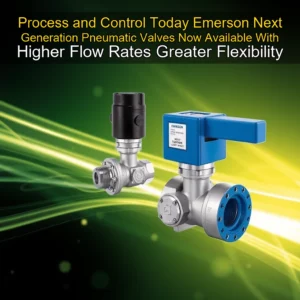
The Essential Art of Valve Installation: Mastering Precision and Safety in Every Step
Valve installation is an intricate process that demands both technical expertise and meticulous attention to detail. Whether you’re working on plumbing systems, industrial machinery, or HVAC setups, getting the right valve installed correctly can mean the difference between seamless operation and costly failures.
In today’s complex engineering environments, understanding the nuances of valve installation is crucial. This guide dives deep into every aspect—from selecting the appropriate valve type to executing flawless mounting procedures—ensuring your installations are as reliable as they are efficient.
Selecting the Right Valve Type for Your Application
The first step in any successful valve installation is choosing the correct valve type. Different applications require different valves based on factors such as pressure ratings, flow control needs, and environmental conditions.
For instance, gate valves excel at regulating high-pressure fluids due to their minimal resistance to flow when fully open. On the other hand, ball valves offer quick shut-off capabilities but may not be ideal for precise flow modulation tasks.
- Gate Valves: Best suited for applications where complete shutoff is required without affecting fluid velocity.
- Ball Valves: Ideal for situations requiring rapid isolation of pipelines while maintaining low maintenance costs over time.
A thorough analysis of system requirements helps determine which valve types align best with operational goals. Factors like temperature extremes, chemical compatibility, and expected service life must also be considered during selection.
Consulting manufacturer specifications ensures that selected valves meet necessary standards and certifications relevant to your industry’s safety protocols and regulatory compliance mandates.
Preparing for Installation: Tools, Materials, and Safety Precautions
Before beginning any valve installation project, gathering essential tools and materials is critical. Proper preparation prevents delays and enhances overall efficiency by ensuring everything needed is readily available at the worksite.
Safety should always take precedence during any mechanical work involving pressurized systems. Wearing protective gear such as gloves, goggles, and steel-toe boots minimizes risks associated with handling sharp edges or unexpected releases from pressurized lines.
Essential tools include pipe wrenches, torque wrenches, sealants, gaskets, and alignment jigs designed specifically for securing valves within piping networks accurately.
Certifications related to OSHA regulations or ASME codes might influence tool choices depending upon whether you’re dealing with municipal infrastructure versus private commercial facilities.
Evaluating Site Conditions Beforehand
Assessing site-specific variables before starting actual installation increases chances of success significantly. These assessments involve checking accessibility around proposed locations along with evaluating existing pipeline configurations.
Data collection regarding current pressures present within targeted areas provides invaluable insight into potential challenges ahead. It also informs decisions about temporary bypass arrangements or depressurization methods needed prior to initiating new connections.
Step-by-Step Valve Installation Procedure
Familiarizing oneself thoroughly with each phase involved makes mastering valve installation achievable even for novices aiming towards proficiency through practice alone.
Initial steps typically involve shutting down relevant portions of the system safely using designated emergency stop mechanisms located near affected zones.
Once secured against accidental activation, disconnection occurs following established protocols including verifying absence of residual pressure via pressure gauges placed strategically across junction points.
After confirming zero internal stress exists inside pipes being worked upon, removal of old components proceeds carefully so as not disturb adjacent structures unnecessarily.
Proper Alignment and Sealing Techniques
Correct positioning plays vital role in determining long-term performance reliability once installed properly aligned valves begin operating under normal conditions post-completion stages.
Misalignment could lead to improper seating causing leaks later on despite initial appearances suggesting otherwise; therefore accurate placement remains non-negotiable element throughout entire assembly sequence.
Using laser alignment tools helps achieve precision beyond what manual measurements allow particularly useful when dealing with larger diameter pipes carrying heavy volumes regularly encountered within municipal water supply projects globally.
Gasket material choice depends heavily upon media transported plus ambient temperatures experienced routinely thereabouts thus necessitating cross-referencing product datasheets against anticipated usage scenarios beforehand.
Troubleshooting Common Issues During Installation
Despite careful planning, occasional hiccups arise during real-world implementations demanding prompt resolution strategies tailored uniquely toward particular problems faced momentously.
One frequent issue involves inadequate sealing resulting either from incorrect gasket sizing or improper tightening levels applied inconsistently across connection interfaces thereby inviting leakage concerns potentially damaging surrounding equipment prematurely.
To resolve such predicaments swiftly, rechecking dimensions against original blueprints alongside recalibrating fastening torques according to recommended values specified manufacturers’ guidelines proves effective corrective action pathway most times.
If persistent issues remain unresolved despite repeated attempts addressing above mentioned causes then seeking assistance from senior technicians possessing extensive field experience becomes prudent next course of action especially concerning rare complications seldom documented publicly elsewhere.
Maintenance Practices Post-Installation
Even meticulously executed installations eventually require periodic inspections aimed at preserving optimal functionality over extended periods reliably serving intended purposes consistently without interruption.
Regular check-ups focusing primarily upon visible signs wear & tear manifested externally coupled with internal audits utilizing specialized diagnostic instruments enable early detection mitigates risk escalation substantially reducing downtime occurrences notably beneficial businesses relying heavily automated processes daily operations.
Scheduling routine servicing intervals coinciding seasonal changes helps anticipate deterioration patterns likely accelerated exposure elements prevalent geographical regions occupied facility resides currently situated within.
Detailed records documenting each inspection cycle facilitates trend identification enabling proactive rather than reactive approaches managing asset health effectively maximizing return investments made acquiring superior quality products initially chosen wisely upfront phases decision making stages.
Industry Standards and Compliance Considerations
Adherence strictly followed industry standards guarantees installations conform accepted norms ensuring safety aspects prioritized foremost whenever undertaking significant modifications altering fundamental characteristics underlying systems fundamentally altered thereby.
Standards organizations such ISO, API, ANSI set forth rigorous criteria governing design parameters manufacturing procedures testing methodologies applicable universally regardless location country region engaged activities irrespective nature business pursued professionally.
Compliance verification processes usually entail third-party audits conducted periodically verifying adherence maintained continuously throughout lifecycle duration products deployed actively used fulfilling primary functions assigned originally conceived intentions behind development initiatives undertaken initially.
Failure to comply carries severe repercussions ranging financial penalties legal liabilities reputational damage all detrimental outcomes preferably avoided altogether through diligent observance prescribed regulations consistently maintained uncompromising manner throughout entirety project execution timeline spanned entire period engagement involved party concerned responsible overseeing implementation activities carried out diligently conscientiously ethically responsibly.
Conclusion
Mastering the art of valve installation requires dedication, knowledge, and continuous learning. From selecting the right valve type to adhering to strict compliance standards, every step contributes significantly towards achieving durable solutions capable enduring prolonged usage cycles efficiently performing assigned roles faithfully entrusted responsibilities bestowed accordingly.
By integrating these principles into everyday practices, professionals within valvetool communities can ensure safer workplaces, fewer disruptions, and greater satisfaction among end-users benefiting ultimately from well-executed valve installations performed expertly proficiently skillfully consistently meeting highest expectations industry benchmarks upheld steadfastly throughout global operations spanning diverse sectors industries alike.