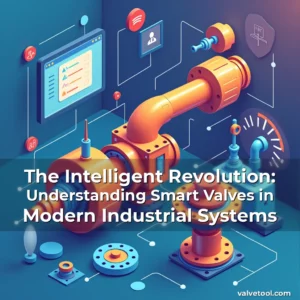
The Evolution and Impact of Smart Valves in Modern Industrial Automation
In an era where industrial efficiency is paramount, smart valves have emerged as pivotal components within automation systems across various sectors. These advanced devices not only regulate fluid flow but also offer real-time monitoring capabilities that enhance operational accuracy and reduce downtime.
With the integration of digital technologies such as IoT and AI, traditional valve mechanisms are being transformed into intelligent solutions capable of adapting dynamically to changing conditions. This shift marks a significant evolution in how industries manage their processes efficiently while ensuring safety standards remain uncompromised.
Understanding the Core Principles Behind Smart Valves
Smart valves operate by integrating sensors, actuators, and communication modules into conventional valve designs. This fusion allows them to collect data from their environment and make autonomous decisions based on predefined parameters set by engineers or operators.
The primary function of these valves remains similar to standard ones—controlling the flow rate of liquids or gases—but they do so with enhanced precision due to continuous feedback loops provided by embedded sensors. Such features enable predictive maintenance strategies which can significantly cut down unexpected failures during critical operations.
- Sensors: Used primarily for detecting pressure changes, temperature fluctuations, and flow rates; providing essential input for decision-making algorithms.
- Actuators: Responsible for adjusting valve positions either manually through local controls or automatically via remote commands sent over networks.
Communication protocols play a crucial role in enabling seamless interaction among different parts of the system. Protocols like Modbus TCP/IP ensure reliable transmission of control signals even under challenging environmental conditions often encountered in industrial settings.
These interconnected elements work together harmoniously to create what many consider next-generation valves that promise increased reliability and reduced human intervention requirements in day-to-day operations.
Advantages of Implementing Smart Valves Across Industries
The adoption of smart valves brings forth numerous benefits including improved process optimization, cost reduction through minimized energy consumption, and heightened security against potential threats posed by cyber vulnerabilities inherent in connected systems.
One notable advantage lies in their ability to contribute towards sustainable practices by optimizing resource usage without compromising output quality. For instance, precise regulation ensures minimal wastage when handling hazardous materials commonly found in chemical processing plants.
Case Study: Enhanced Efficiency at Petrochemical Plants
A leading petrochemical company implemented smart valves across its refining units resulting in a reported 28% improvement in overall equipment effectiveness (OEE). By leveraging real-time analytics from sensor data collected continuously, operators could detect anomalies early before they escalated into full-blown issues affecting production schedules.
This proactive approach not only saved millions annually in repair costs but also prevented several near-miss incidents that might have led to catastrophic outcomes had conventional methods been employed instead.
Challenges Faced During Deployment of Smart Valve Systems
Despite their advantages, deploying smart valve technology presents challenges related to initial investment costs, compatibility issues with legacy infrastructure, and cybersecurity risks associated with networked environments.
Many organizations find themselves hesitant due to concerns regarding return on investment timelines, especially considering that retrofitting existing facilities may require substantial capital expenditure compared to installing new infrastructures designed around modern specifications right from inception.
Cybersecurity remains another pressing concern since any breach could potentially compromise sensitive operational data stored within these sophisticated systems. Ensuring robust encryption measures along with regular audits becomes imperative to safeguard intellectual property rights and prevent unauthorized access attempts.
Integration Strategies for Seamless Adoption of Smart Valves
To facilitate smooth transitions toward adopting smart valve technologies, companies need strategic plans focusing on phased implementation approaches rather than abrupt replacements of entire piping networks overnight.
Prioritizing areas most susceptible to frequent breakdowns offers immediate ROI opportunities while gradually expanding coverage throughout other segments once foundational improvements yield visible results. Engaging experienced consultants familiar with both current industry best practices and emerging trends helps mitigate risks tied to untested methodologies.
Choosing the Right Communication Protocol
Selecting appropriate communication standards tailored specifically for each application scenario enhances interoperability between diverse hardware components used simultaneously within complex setups involving multiple vendors’ products.
Protocols such as EtherCAT provide deterministic behavior suitable for high-speed applications requiring millisecond-level response times whereas LoRaWAN suits long-range low-power scenarios typical in outdoor installations far removed from centralized control rooms.
Evaluating factors like bandwidth needs, latency tolerances, scalability potentials, and future expansion possibilities aids in making informed choices aligned closely with organizational goals concerning performance metrics expected post-deployment phases.
Future Trends Shaping Development of Next-Generation Smart Valves
Ongoing research efforts aim at developing self-healing properties integrated directly into valve structures using nanotechnology advancements currently undergoing experimental trials worldwide.
Such innovations would allow damaged sections to regenerate autonomously upon detection thus extending service life considerably beyond traditional counterparts reliant solely on scheduled inspections followed by manual repairs whenever faults occur unexpectedly.
Artificial intelligence models trained extensively on historical failure patterns combined with machine learning techniques continue evolving rapidly offering increasingly accurate predictions about impending malfunctions allowing preemptive actions well ahead of actual event occurrences.
Environmental Benefits Derived From Utilization Of Smart Valves
Beyond economic gains derived from optimized workflows enabled by smart valves lie considerable ecological advantages stemming directly from decreased emissions attributable to efficient fuel utilization rates achieved through precisely controlled combustion processes facilitated by these intelligent components.
Moreover, leak detection functionalities incorporated into newer iterations help identify minor seepages promptly preventing larger spills which could otherwise lead to severe environmental degradation particularly relevant for oil & gas enterprises operating offshore platforms situated miles away from coastlines needing emergency containment responses swiftly.
Training and Skill Development Needs for Personnel Handling Smart Valve Technologies
As reliance grows heavier on automated systems governed largely by software logic residing inside programmable controllers linked wirelessly to supervisory computers located remotely, there exists a pressing demand for upskilling workforce members accustomed previously working alongside purely mechanical apparatuses lacking computational abilities.
Courses covering basics of PLC programming fundamentals coupled with hands-on experience manipulating simulation tools mimicking realistic field situations prove invaluable preparing individuals adequately equipped professionally adept enough managing intricate tasks demanded daily amidst ever-evolving technological landscapes characterizing contemporary manufacturing ecosystems globally.
Comparative Analysis Between Traditional Valves And Their Intelligent Counterparts
While traditional valves suffice satisfactorily fulfilling basic regulatory duties imposed upon them irrespective of external variables influencing surrounding mediums through which fluids traverse, they lack inherent capability responding intelligently unless externally manipulated physically through manual overrides or electric motor drives activated mechanically via switches positioned strategically placed conveniently accessible locations.
Conversely, smart variants possess built-in intelligence permitting independent functioning devoid absolute necessity direct human involvement facilitating uninterrupted continuance activities regardless adverse weather conditions prevailing outdoors exposed regions prone experiencing sudden meteorological shifts impacting normalcy established routines consistently maintained prior introduction novel solutions promising better resilience confronting unpredictable natural forces threatening stability foundations laid earlier decades predominantly relying static nonadaptive architectures incapable accommodating dynamic fluctuations occurring frequently nowadays due climate change induced phenomena exacerbating volatility levels hitherto unseen.
Cost considerations further distinguish these two categories wherein upfront expenditures required acquiring state-of-the-art versions generally exceed those incurred purchasing simpler analog alternatives though long term savings realized subsequently offset initial outlays rendered economically viable propositions appealing investors seeking optimal balance between capital infusion demands versus projected revenue streams anticipated flowing steadily thereafter.
Durability aspects too warrant attention given fact despite higher price tags attached advanced models boasting superior longevity compared lesser counterparts meaning replacement cycles extended substantially thereby reducing frequency servicing interruptions disrupting workflow continuity negatively affecting productivity indices measured periodically benchmarked against previous benchmarks establishing baselines indicating progress made implementing progressive enhancements aimed elevating operational efficiencies progressively.
Conclusion
Smart valves represent a transformative force reshaping industrial automation landscapes through enhanced precision, sustainability, and operational efficiency. As industries continue embracing digitization initiatives, these intelligent components will become indispensable assets driving innovation forward.
For professionals engaged in valvetooldesign and maintenance, staying abreast of developments in smart valve technology is crucial. Embracing these advancements not only ensures competitive edge but also paves way for safer, smarter, and more resilient industrial operations across global markets.