The Essential Role of Industrial Valves in Modern Manufacturing and Engineering Systems
In today’s complex manufacturing landscape, industrial valves serve as critical components that regulate fluid flow, control pres These mechanical devices are engineered to withstand extreme conditions while maintaining precise functionality, making them indispensable in everything from chemical processing plants to oil refineries.
With over 8 million different valve types cataloged globally, selecting the right valve for any application requires specialized knowledge. This guide explores the intricate world of industrial valves, examining their classifications, operational principles, material science considerations, and emerging technological advancements shaping the industry.
Fundamental Principles of Valve Operation
Industrial valves operate based on fundamental mechanisms that govern how they open, close, and modulate flow rates within piping systems. At its core, every valve functions through a combination of force application and mechanical movement, whether actuated manually, pneumatically, electrically, or hydraulically.
The basic principle involves creating a physical barrier between two points in a pipeline while allowing controlled passage when required. This is achieved through various design configurations such as gate, globe, ball, butterfly, and diaphragm valves, each optimized for specific applications.
A key factor determining valve performance is the sealing mechanism used to prevent leakage under operating pressures. From soft seals made of elastomers to metal-to-metal seating arrangements, engineers must carefully select materials based on media compatibility and service conditions.
- Pressure rating: Measured in pounds per square inch (psi) or bar units, this determines the maximum working pressure a valve can safely handle without failure.
- Temperature range: Critical consideration since extreme temperatures can affect material properties and seal effectiveness, especially in cryogenic or high-temperature environments.
- Flow capacity: Quantified by Cv values indicating how much fluid can pass through at given differential pressures, influencing both system efficiency and energy consumption.
Classification System for Industrial Valves
Organizing the vast array of available valves requires standardized classification systems that categorize them based on function, construction, and application parameters. The primary divisions include isolation valves, regulation valves, check valves, and specialty valves tailored for niche requirements.
Isolation valves play an essential role in shutting off flow completely during maintenance or emergency situations. Globe valves excel in throttling applications where gradual flow adjustment is necessary, while needle valves offer even finer control capabilities.
Check valves prevent backflow by utilizing spring-loaded discs or weighted flaps that open only in one direction. Their designs vary significantly depending on whether they’re intended for horizontal or vertical installations.
Common Valve Types and Applications
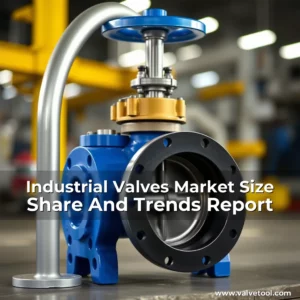
Ball valves feature spherical plugs with bore holes that allow full-flow passage when aligned with the pipe axis. They provide quick shut-off capabilities but have limitations in fine-tuning flow rates due to their binary on/off nature.
Differentiating factors among common valve types extend beyond simple shape variations. For instance, butterfly valves employ rotating discs mounted on stems, offering space-efficient solutions ideal for large-diameter pipelines handling non-critical fluids.
Gate valves utilize sliding gates rather than rotary elements to stop or start flow, although they typically lack the ability to precisely regulate intermediate flow levels compared to other valve styles.
Diaphragm valves incorporate flexible membranes that separate the fluid medium from the actuating mechanism, providing excellent corrosion resistance suitable for pharmaceutical or food-grade applications.
Piston valves represent another category designed specifically for viscous liquids, using reciprocating motion instead of rotational movement to manage challenging media consistency issues effectively.
MATERIAL SCIENCE IN VALVE CONSTRUCTION
Selecting appropriate materials for valve bodies and internal components remains crucial in ensuring long-term reliability and safety within harsh operating environments. Engineers evaluate several factors including chemical compatibility, temperature resilience, abrasion resistance, and cost-effectiveness before finalizing specifications.
Carbon steel valves dominate general-purpose applications owing to their strength characteristics and affordability. However, stainless steels like 316L offer superior corrosion protection against acidic or saline environments commonly encountered in offshore drilling operations.
For ultra-high-purity applications requiring absolute contamination prevention, exotic alloys such as Hastelloy C-276 or Inconel 625 become necessary choices despite their higher costs. These materials resist pitting corrosion and maintain structural integrity under extreme thermal cycling conditions.
Ceramic components increasingly find use in wear-prone areas where traditional metals would degrade rapidly from abrasive particulates present in mining or cement production processes. Silicon carbide bearings exhibit exceptional hardness ratings comparable to diamonds while retaining some degree of flexibility.
Coatings and linings also play vital roles in extending component lifespans. Epoxy-based coatings form protective barriers against corrosive agents whereas Teflon-lined valves minimize friction losses associated with turbulent flow patterns inside conduits.
ACTUATION METHODS FOR INDUSTRIAL VALVES
Modern automation demands versatile actuation options capable of responding swiftly to changing process variables without compromising accuracy or durability. Manual actuators remain popular in low-risk settings where human oversight suffices, but automated solutions drive productivity gains in continuous operation scenarios.
Electric actuators convert electrical signals into linear or rotary motion via motor-driven gear trains, enabling remote monitoring and integration with PLC-controlled systems found in smart factories implementing Industry 4.0 standards.
Pneumatic actuators leverage compressed air power to move valve stems quickly, often preferred in hazardous locations where sparks could ignite volatile substances stored nearby. Double-acting cylinders provide bidirectional force application unlike single-acting variants which require return springs or gravity assistance.
Hydraulic actuators deliver immense torque outputs necessary for heavy-duty applications involving massive valves managing thousands of gallons per minute throughput volumes efficiently yet cautiously.
Smart actuators equipped with position sensors and communication protocols facilitate predictive maintenance strategies by transmitting real-time data regarding stem travel distances, torque requirements, and potential failure indicators wirelessly to central control rooms.
DESIGN CONSIDERATIONS FOR HIGH-PRESSURE SYSTEMS
Engineering valves destined for high-pressure services necessitates meticulous attention to stress distribution patterns across all structural members. Finite element analysis helps predict deformation tendencies under cyclic loading conditions typical in hydraulic fracturing equipment or deep-sea submersible platforms.
Welded trunnions replace threaded connections in critical junctures to eliminate leak paths inherent in bolted joints exposed to extreme differential pressures exceeding 15,000 psi (103 MPa). These reinforced mounting points distribute load forces more evenly along entire valve housings.
Specialized gasket materials undergo rigorous testing protocols prior to deployment, with graphite-filled PTFE compounds proving effective at maintaining seals even after prolonged exposure periods spanning decades.
Internal passages need careful profiling to avoid turbulence-induced erosion zones near bends or abrupt cross-sectional changes that might accelerate component degradation rates prematurely.
Corrosion allowances built into casting tolerances account for expected thickness loss over time, ensuring functional longevity meets specified service life expectations despite aggressive environmental assaults.
SPECIALTY VALVES FOR Niche APPLICATIONS
While standard valve types suffice for many routine operations, certain specialized valves address unique challenges faced by particular industries demanding bespoke engineering solutions. Cryogenic valves, for example, must maintain seal integrity at extremely low temperatures approaching absolute zero (-273°C).
High vacuum valves operate under pressure differentials ranging down to 1e-9 Torr, requiring ultra-smooth surface finishes free of microscopic imperfections that could compromise containment capabilities in semiconductor fabrication facilities.
Explosion-proof enclosures surround flameproof valves deployed near potentially combustible atmospheres, preventing internal arcing events from igniting external vapors through robust housing designs incorporating pressurization techniques.
Nuclear power plant operators rely heavily on radiation-resistant valves constructed from zirconium alloys capable of enduring intense neutron fluxes without experiencing embrittlement phenomena observed in conventional steel grades.
Biopharmaceutical manufacturers prefer steam sterilizable valves featuring seamless welds and FDA-compliant surface treatments that survive repeated autoclave cycles without degrading sealing effectiveness or releasing harmful leachables into sensitive product streams.
TRENDS AND INNOVATIONS SHAPING THE FUTURE OF VALVES
The evolving needs of modern industry continue driving innovation in valve technology, leading to groundbreaking developments that enhance performance metrics while reducing maintenance burdens. Additive manufacturing techniques now enable creation of complex geometries previously unattainable through traditional machining methods.
Self-lubricating polymer composites integrated into moving parts significantly reduce frictional losses and extend overhaul intervals between servicing appointments. Some advanced models incorporate microchannel cooling systems embedded within body cavities to mitigate heat buildup caused by high-speed actuations.
Artificial intelligence algorithms analyze historical maintenance records alongside live sensor readings to forecast impending failures accurately, allowing proactive replacement schedules instead of reactive repairs that disrupt production timelines unexpectedly.
Internet of Things connectivity facilitates remote diagnostics capabilities wherein field technicians receive alerts instantaneously upon detecting abnormal vibration signatures indicative of bearing misalignment or worn-out packing glands needing immediate intervention.
Sustainable initiatives prioritize eco-friendly materials and energy-efficient designs minimizing carbon footprints throughout product lifecycle stages from raw material extraction through end-of-life recycling programs promoting circular economy practices.
MAINTENANCE BEST PRACTICES FOR LONGEVITY
Proactive maintenance regimens substantially increase mean time between failures (MTBF) figures achievable for industrial valves subjected to regular inspection routines following manufacturer-recommended guidelines. Establishing preventive maintenance calendars prevents unexpected shutdowns disrupting operational continuity.
Lubrication management represents a critical aspect of ongoing care, with viscosity grade selection matching ambient temperatures prevailing at installation sites to ensure optimal film formation protecting contact surfaces against undue wear.
Visual inspections should scrutinize visible signs of damage including cracks propagating from fatigue stresses accumulated over years of cyclic usage or pitting corrosion initiating around thread engagement regions prone to moisture ingress.
Periodic calibration checks verify accurate positioning against setpoints maintained by control systems, adjusting backlash compensation mechanisms as necessary to preserve tight shut-off capabilities essential for safety-critical applications.
Documenting all maintenance activities systematically creates valuable asset history databases aiding future troubleshooting efforts and supporting compliance audits mandated by regulatory agencies overseeing facility operations.
CONCLUSION
Industrial valves stand as silent sentinels safeguarding the integrity of countless global infrastructure networks, silently regulating flows with unwavering precision beneath the surface of everyday operations. Their impact extends far beyond mere mechanical functions, forming integral links within broader systems orchestrating modern civilization itself.
As technology advances and new challenges emerge across varied sectors, continued investment in research and development will be paramount in sustaining progress. By embracing innovative approaches while respecting foundational principles established through generations of engineering expertise, professionals can confidently navigate tomorrow’s complexities knowing reliable valve solutions will always be available when needed most.