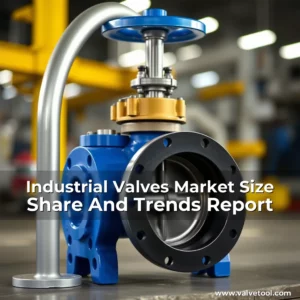
The Essential Role of Industrial Valves in Modern Manufacturing and Infrastructure Systems
In today’s complex manufacturing environments, industrial valves serve as critical components that regulate fluid flow across various systems. These mechanical devices are vital for controlling pres
From petrochemical plants to water treatment facilities, the reliability of industrial valves directly impacts productivity levels and system integrity. Their ability to manage diverse fluids under extreme conditions makes them indispensable in modern engineering applications.
Fundamental Principles of Valve Operation
Industrial valves operate based on fundamental principles involving mechanical motion and hydraulic forces. The primary function is to control the passage of liquids or gases through piping networks by opening, closing, or partially obstructing pathways.
Different valve types employ distinct mechanisms such as rotating discs, sliding gates, or ball-shaped elements to achieve precise flow regulation. Understanding these basic operations helps engineers select appropriate valves for specific applications.
- Gate Valves: Designed for full-flow control with minimal resistance when fully open, ideal for on/off service rather than throttling applications.
- Globe Valves: Offer superior control over flow rates due to their linear motion design, making them suitable for processes requiring frequent adjustments.
Each valve type has specialized characteristics tailored to particular industry needs, from high-pressure steam lines to corrosive chemical transfers.
The choice between different valve styles depends heavily on factors like required flow capacity, operating temperatures, and material compatibility considerations.
Common Types of Industrial Valves and Their Applications
Understanding the variety of available valve options enables engineers to make informed decisions about which type best suits their application requirements. Each category serves specific functions within different industries.
Ball valves, known for quick shut-off capabilities, are widely used in oil refining where rapid isolation of process streams may be necessary during maintenance procedures.
Butterfly valves provide excellent flow control while maintaining compact designs, often chosen for HVAC systems or wastewater treatment plants dealing with large volumes at lower pressures.
Check valves prevent backflow issues by allowing fluid only in one direction, crucial for protecting pumps against reverse thrust damage caused by gravity-fed systems.
Piston valves utilize reciprocating piston movements to modulate flow precisely, frequently found in pharmaceutical production where exact dosages must be maintained consistently.
Diaphragm valves rely on flexible membranes to isolate media from actuation parts, commonly applied in food processing to maintain hygiene standards without direct contact contamination risks.
Selecting an appropriate valve involves evaluating parameters such as pressure ratings, temperature ranges, and potential abrasiveness of transported substances.
Material Selection for Durable Valve Performance
Choosing the right materials for valve construction significantly affects long-term performance and maintenance requirements. Different substances exhibit varying degrees of corrosion resistance depending on environmental exposure.
Stainless steel remains a popular choice for its durability and corrosion-resistant properties, especially in aggressive chemical environments where other metals might degrade rapidly.
Ceramic coatings offer exceptional hardness against abrasive particles but require careful handling to avoid cracking during installation or operation cycles.
Titanium alloys provide lightweight strength advantages suitable for offshore drilling platforms subjected to both saltwater corrosion and mechanical stress simultaneously.
Nickel-based superalloys excel in high-temperature scenarios typical of power generation turbines needing sustained thermal stability without deformation.
The selection process should also consider compatibility with transported media – some chemicals react adversely with certain metal compositions leading to accelerated wear patterns.
Epoxy linings can protect internal surfaces from acidic or alkaline solutions, extending service life before costly replacements become necessary.
Pressure Rating Systems and Safety Standards Compliance
Valve manufacturers adhere to standardized pressure rating classifications that ensure safe operation under specified load conditions. Familiarity with these metrics aids in selecting equipment capable of withstanding expected working pressures.
The ASME B16.34 standard defines common pressure classes ranging from Class 150 up to Class 2500, each corresponding to increasing levels of allowable working pressure values.
Class 150 valves typically handle moderate pressure applications whereas higher-class variants accommodate extreme industrial demands encountered in deep-sea exploration technologies.
Temperature fluctuations further influence material choices since prolonged exposure above recommended thresholds could compromise structural integrity even if initial pressure limits appear sufficient.
Compliance with international safety regulations ensures interoperability among global supply chains and reduces risk associated with component failures during critical operations.
Routine inspections following manufacturer guidelines help identify early signs of fatigue cracks or pitting corrosion before they lead to catastrophic system shutdowns.
Advanced Technologies Enhancing Valve Efficiency
Recent technological advancements have transformed traditional valve functionality through integration of smart monitoring features and automated control systems. These innovations contribute to improved energy conservation and predictive maintenance strategies.
Sensors embedded within modern valves continuously monitor parameters like differential pressure drops, vibration frequencies, and seal leakage rates providing real-time data feedback loops.
Wireless communication protocols enable remote diagnostics capabilities reducing downtime related to manual inspection routines previously required for status assessments.
Actuators equipped with position transducers allow precise adjustment settings via digital interfaces enhancing overall system responsiveness compared to conventional mechanical linkages.
Self-cleaning mechanisms incorporated into certain valve models minimize fouling effects particularly beneficial in pulp & paper mills where particulate matter accumulation poses significant challenges.
Data analytics tools now interpret collected information identifying subtle degradation trends enabling proactive replacement schedules instead of reactive emergency repairs.
Maintenance Strategies for Long-Term Operational Reliability
Implementing effective maintenance programs extends service life expectancy of industrial valves while minimizing unexpected failure incidents that disrupt continuous production workflows.
Regular visual inspections focusing on external leaks around stem packing areas detect early warning signs indicative of impending seal deterioration issues.
Lubrication intervals depend upon specific application conditions; excessive greasing might cause sealing element displacement whereas insufficient lubricant leads to increased friction-induced wear.
Periodic disassembly checks reveal internal component condition including seat erosion patterns and spring tension loss affecting closure effectiveness overtime.
Corrosion prevention measures involve applying protective coatings periodically especially in coastal regions exposed regularly to seawater spray causing premature metal oxidation reactions.
Calibration verification tests confirm accurate positioning responses ensuring consistent flow modulation capability throughout extended usage periods.
Economic Impact Analysis of Optimal Valve Management Practices
Strategic investment in quality valve solutions yields substantial cost savings through reduced unplanned outages and minimized repair expenditures over time horizons spanning several years.
High-performance valves initially appearing expensive demonstrate better return-on-investment profiles when factoring decreased maintenance costs and longer mean time between failures figures.
Calculations comparing total lifecycle expenses versus upfront capital outlays highlight financial benefits associated with adopting premium-grade components designed for harsh operating environments.
Energy consumption reductions resulting from efficient flow control mechanisms translate directly into operational expenditure decreases measurable through utility billing records.
Inventory management optimizations benefit from reliable product longevity decreasing spare part procurement frequency thereby lowering logistical overhead expenses substantially.
Insurance premiums often reflect facility safety scores influenced positively by robust infrastructure protections afforded by well-maintained valve installations.
Future Trends Shaping Next Generation Valve Technology
Ongoing research efforts aim at developing next-generation valve technologies incorporating nanomaterials and additive manufacturing techniques promising enhanced functional attributes beyond current limitations.
Smart valves featuring AI-driven adaptive algorithms will dynamically adjust operational parameters responding autonomously to fluctuating process variables without human intervention.
Additive manufacturing allows customized geometries unattainable using traditional machining methods potentially improving hydrodynamic efficiencies inside complex flow channels.
Biodegradable polymer composites may replace metallic components in eco-conscious sectors seeking sustainable alternatives without sacrificing essential performance criteria.
Integration with IoT ecosystems expands connectivity possibilities enabling centralized plant-level monitoring through unified dashboards accessible remotely via mobile computing devices.
These emerging developments signal transformative changes poised to redefine how future industries approach fluid control systems emphasizing resilience against evolving technical challenges.
Conclusion
Industrial valves form the backbone of countless engineered systems facilitating controlled medium transport essential for contemporary civilization’s infrastructure needs.
Proactive implementation of advanced monitoring technologies combined with rigorous maintenance practices guarantees uninterrupted operational continuity critical for maintaining economic competitiveness globally.

news is a contributor at ValveTool. We are committed to providing well-researched, accurate, and valuable content to our readers.